Rekeys, lock changes and repairs, York and York County
Residential locksmith in York, PA: rekeys and lock changes for the doors York actually has
Half the houses in York were built before 1939. A locksmith who works here has to know a mortise lock, a rim lock and a skeleton-key door as well as the deadbolt on a Springettsbury ranch. New keys for the locks you have, new locks where the old ones are done, and the price per door before anyone drives.
- Rekey $25 to $40 per cylinder; a whole rowhome or ranch usually $130 to $260 with the trip.
- Lock change $110 to $240 per door with mid-grade hardware; a new deadbolt bored into a solid door $140 to $260.
The fair call
- You call Say what is locked, lost or broken and where you are.
- You get a price For the job as you described it, and the trip charge ($45 to $85) said out loud.
- One locksmith comes Not a race. The one who took the call is the one who shows up.
- Nothing until you say yes The gentlest way in goes first. A drilled lock is your decision, after hearing why.
- You pay what you were quoted If the job turns out different at the door, you hear the new number before any work.
Rekeying a house in York: one key, every door, no new hardware
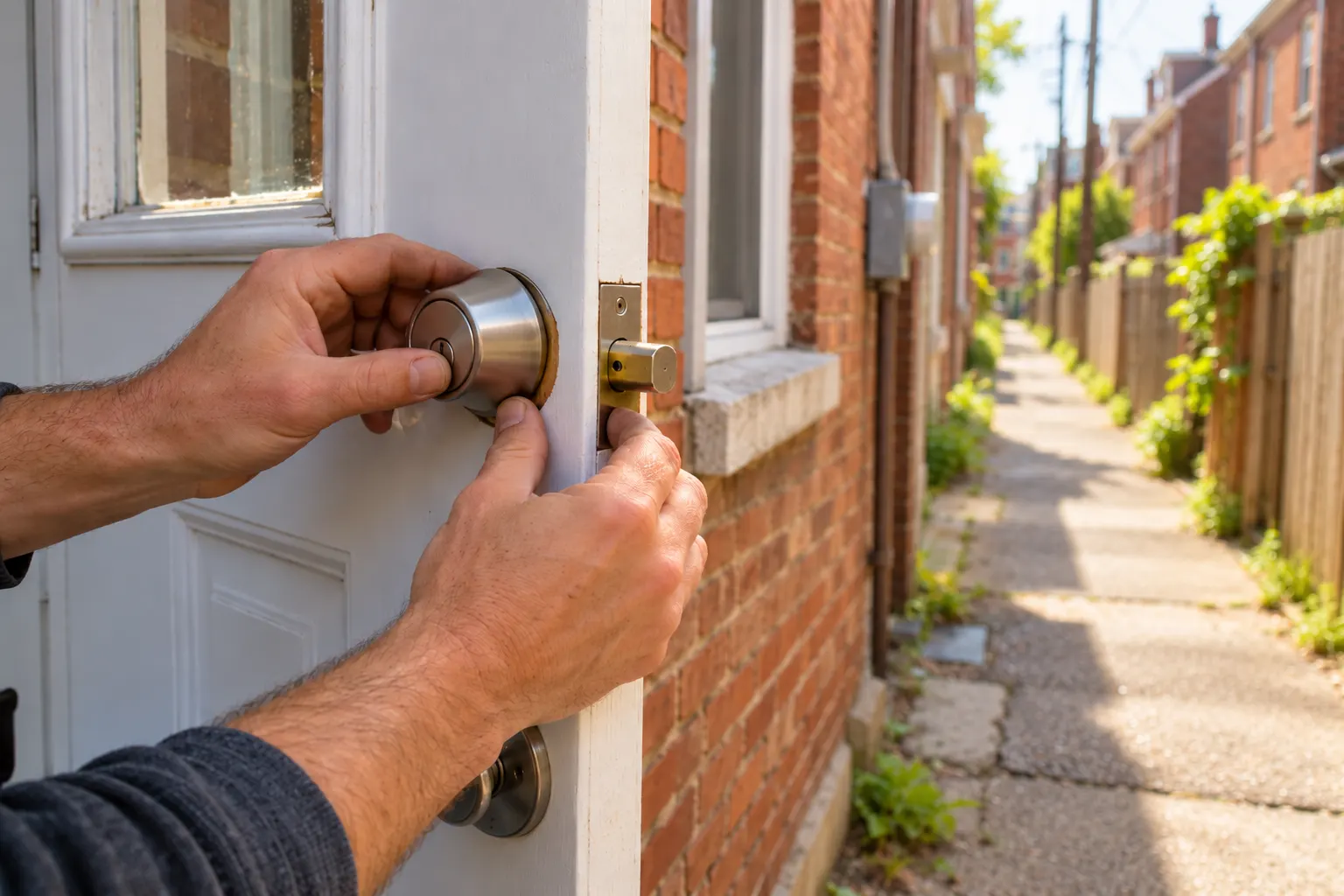
A rekey keeps your locks and retires your keys. The locksmith pulls each cylinder, swaps the pins to a new combination, cuts keys to match, and puts it back; the old keys are dead, one new key opens every door that was rekeyed, and the hardware you paid for stays on the door. It is the job for a house you just bought on the Avenues, a rental on South Queen Street between tenants, a key that went missing with a contractor, a split where somebody kept a copy.
The price is per cylinder, which is why the phone quote asks how many doors and whether each has a knob and a deadbolt or just one. A front door with both, a rear door with a deadbolt, and a storm door with its own little keyed latch is four cylinders. Kwikset and Schlage, the two brands on most township houses, take different keys; a house with a mix gets rekeyed to one brand's key and the odd lock swapped, or you carry two keys, your call at the door.
Landlord turnovers
About half of York city's households rent, and a turnover rekey is the most routine residential call there is: front, rear and storm door pinned to a new key, two copies for the tenant, one for you, under an hour. Owners with several units can have them keyed to one landlord key with a different tenant key per door. Nothing in Pennsylvania law forces a rekey at turnover; the lease, the insurer and the tenant usually do.
When a rekey is not enough
- The lock is worn: the key turns hard, the latch will not catch, the deadbolt binds in the strike.
- The lock is a builder-grade knob with no deadbolt, and you want the deadbolt.
- The cylinder is a bit-key mortise or a rim lock from the 1890s with no pins to change.
- A break-in bent the bolt or split the jamb; the door needs a strike plate and long screws, not just new pins.
All of those are a repair or a new lock, quoted at the door before the old one comes off.
The locks on a pre-1939 York door
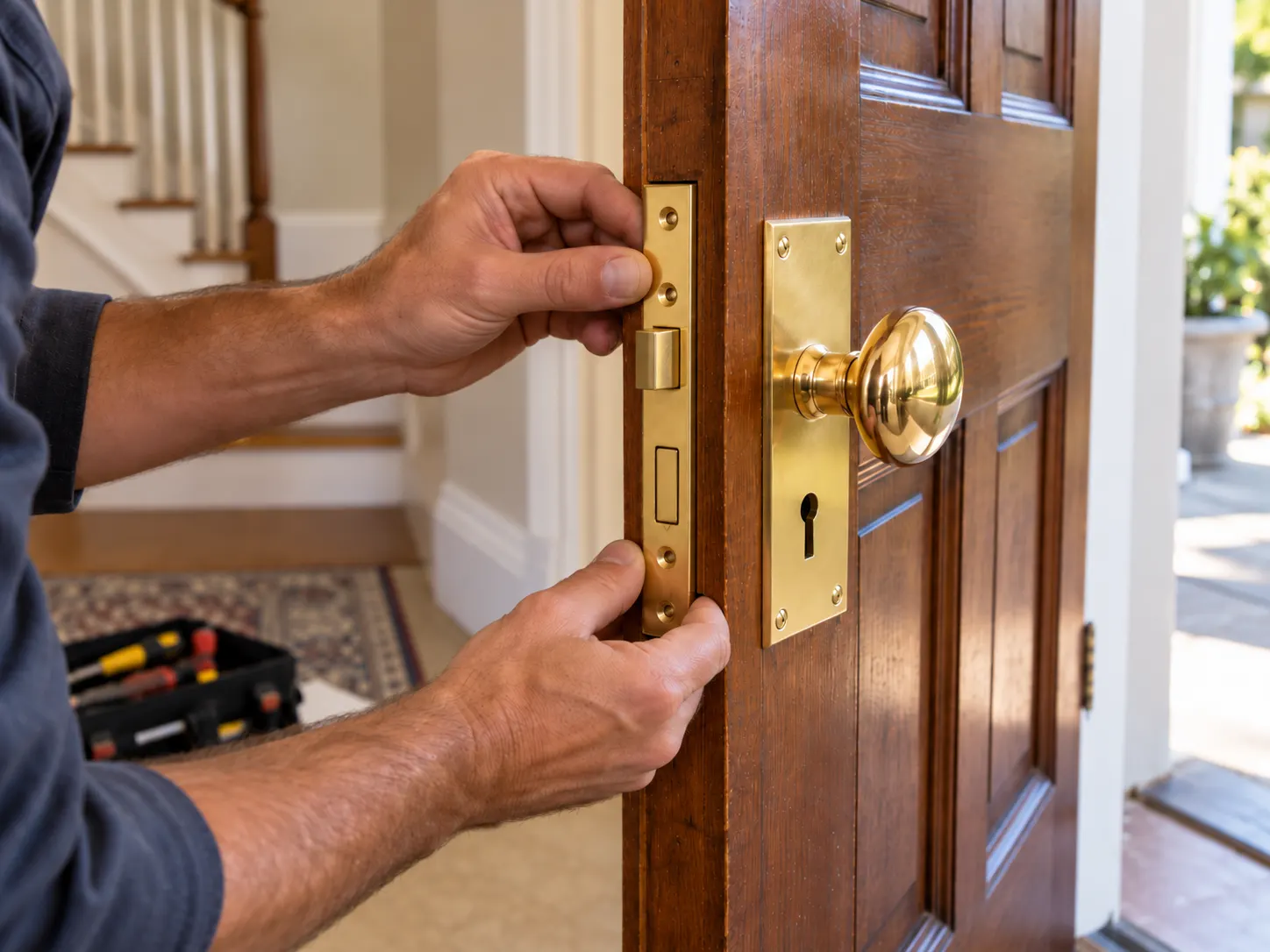
Four in ten homes inside the city are rowhomes, and most were standing before the Second World War. Their doors carry hardware the big-box aisle does not stock. A mortise lock sits in a pocket cut into the edge of a solid wood door, with a knob, a latch and a deadbolt in one body behind a long brass face plate; a hundred-year-old one still works when it is cleaned and the springs are replaced, and it can take a modern cylinder so it rekeys like anything else. A rim lock is the iron or brass box screwed to the inside face of the door with the keyhole through it, common on rear and cellar doors. Interior doors still take a skeleton key, which nobody locks and nobody should.
The usual mistake is pulling a mortise lock out and fitting a standard knob, which leaves a door with a big empty pocket, a loose knob and a visible scar. The better jobs: service the mortise lock and keep it; add a modern deadbolt above it so the old lock is the latch and the new one is the security; or, where the old body is beyond saving, fit a mortise replacement made for the pocket. The rear door onto the alley is where the deadbolt goes first on nearly every York rowhome, because that is the door nobody watches.
Township houses are the other York: 1960s to 1990s ranches and split-levels in Springettsbury, Manchester, West Manchester and York Township with builder knobs and, if you are lucky, a deadbolt someone added. Those take every lock in the catalog, smart locks included, and the work is quick.
The old safe in the basement: York built them
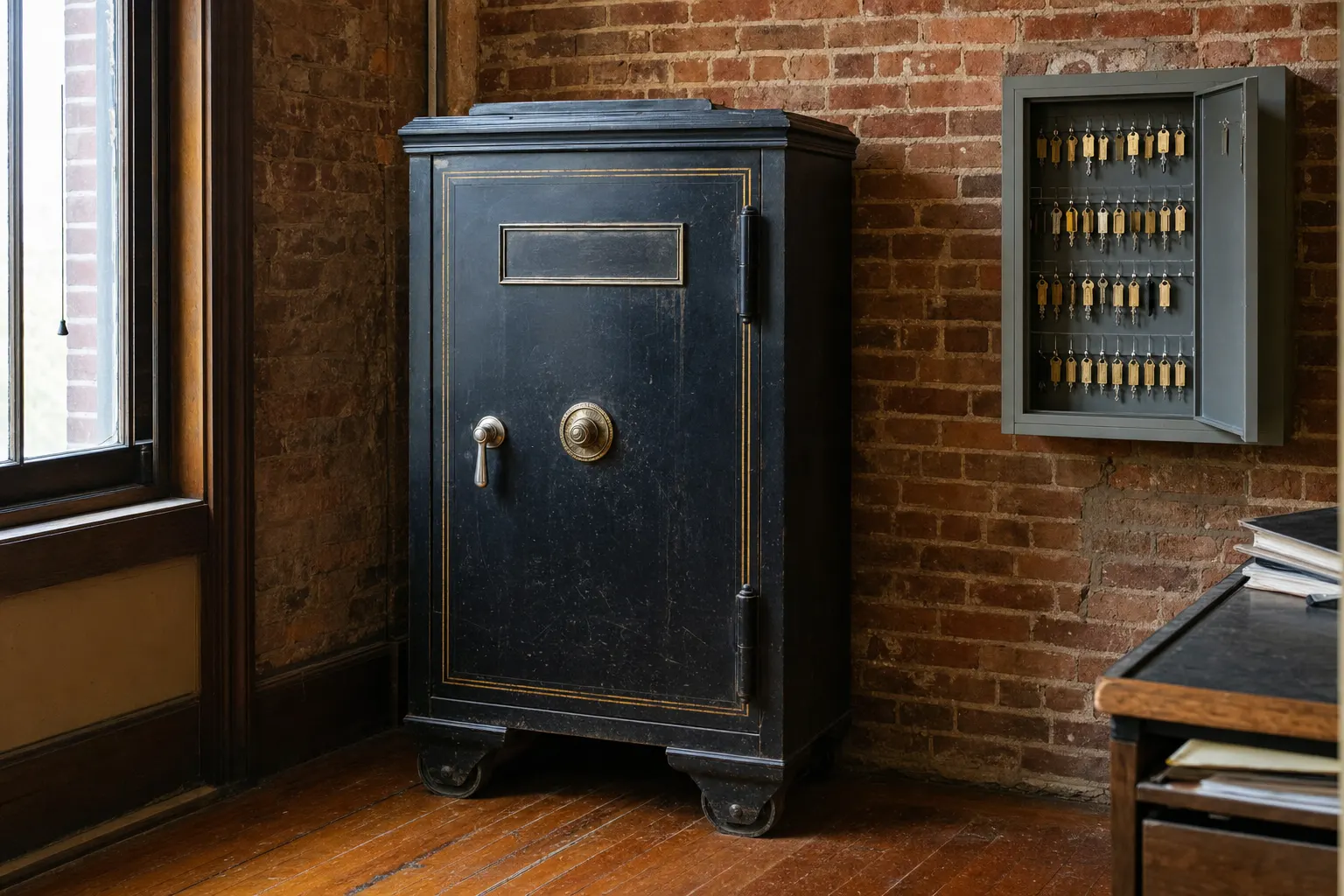
York Safe and Lock Company made safes and vault doors on Loucks Mill Road from 1882 until the Navy took the plant over in the 1940s, and a lot of what it built never left the county. They sit in York basements, in back offices on George Street, in the corner of a shop that changed hands three times, with the combination written on a card nobody can find. A safe locksmith opens them without a torch: the combination worked by hand, or the lock manipulated, or, on the ones with a broken mechanism, a drill in the one spot that can be repaired and plugged. Opening runs $150 to $450 depending on the lock and the condition. A combination change afterward is a smaller job, and a safe that is only locked because the dial drifted is often just a service.
Modern gun safes, floor safes and the small electronic home safes with a dead keypad get the same treatment, priced on the phone once you say what it is.
How the residential price is built
Rekeys are per cylinder plus the trip. Lock changes are per door, hardware included, and the hardware is the variable: a mid-grade deadbolt and a high-security one are different numbers, and you choose. A new bore in a solid old door, a mortise lock serviced or replaced, a strike plate and reinforcement after a break-in, each is its own line, said before the work. Nothing on a residential call costs more than the number you heard, unless you heard a new number first. The per-door and per-cylinder ranges, the mortise line and the safe line are on the page of what residential locksmith work costs in York.
Asked on the stoop
Should I rekey or replace the locks when I move into a house in York?
Rekey, if the locks are sound. Rekeying swaps the pins inside each cylinder so the old keys stop working and one new key opens every door, for a per-cylinder price and no new hardware. Replace when a lock is worn, bent, a mismatched brand on every door, or a builder-grade knob you want upgraded to a deadbolt. Most York move-ins are a rekey with one or two replacements where something is broken.
Can an old mortise lock on a rowhome door be rekeyed?
Usually, yes. A mortise lock with a modern cylinder in the face gets rekeyed like any other. The older ones with a bit-key mechanism, the kind that takes a skeleton key, cannot be rekeyed in the usual sense; the choice there is to add a modern deadbolt above it and keep the old lock as the latch, or fit a mortise cylinder conversion. The locksmith tells you which you have at the door, before anything is done.
I am a landlord. Do I have to rekey between tenants?
Pennsylvania has no statute that forces it, but your lease and your insurer may, and a tenant who finds out the last tenant still has a key is a tenant with a complaint. A turnover rekey on a York rental is a per-cylinder job plus the trip, usually under an hour for a rowhome with a front, a rear and a storm door. Ask about keying several units to one landlord key.
Can I get all my doors on one key?
If the locks are the same keyway, yes, by rekeying them alike. Kwikset and Schlage, the two common brands on township houses, do not share a keyway, so a house with both gets rekeyed to one brand's key and the odd lock replaced, or you carry two keys. A locksmith looks at the doors and tells you which.
Will a smart lock fit my old door?
Most smart deadbolts fit a standard 2 1/8 inch bore on a door at least 1 3/8 inches thick, which covers almost every township ranch and most city doors that already have a deadbolt. A thick old wood door with a mortise lock and no bore needs a hole cut and a reinforcing plate, which is a straightforward install. Doors with a glass panel next to the lock are the ones to talk through first.
Do you fix locks or only replace them?
Fix first, where it makes sense. A latch that will not catch is usually a strike plate out of line, a deadbolt that binds is a door that has sagged, a key that turns hard is a cylinder that needs cleaning. Replacement is for worn or broken hardware, and the price for either is said before the work.
Count your doors, get a price
How many doors, knob and deadbolt or just one, old wood door or newer. A local locksmith calls back with a per-door price, and nothing is done until you say yes.
Locked out right now? Call (717) 699-8442. You reach a person, or you leave a message and get a fast call back.